Rake, Bag, Lift: A 30-Minute Autumn Garden Session That Earns Its Cup of Tea
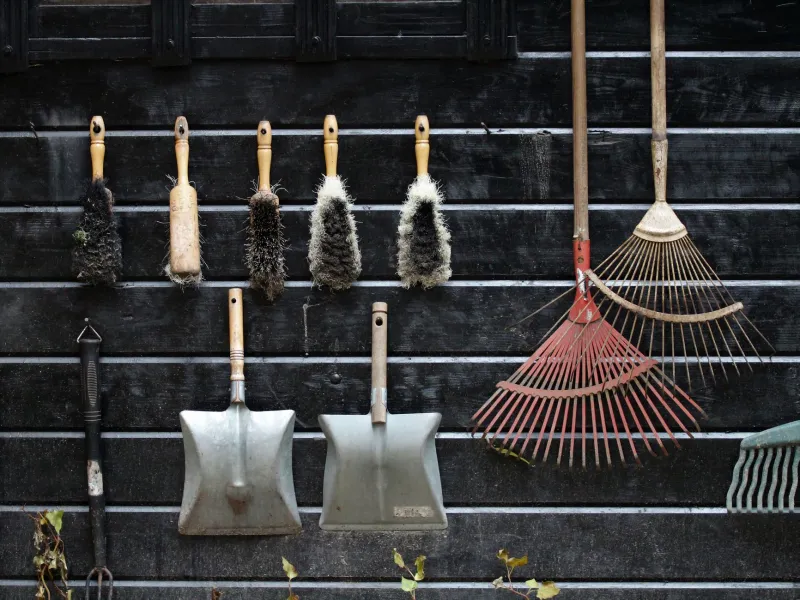
There is a particular kind of November Saturday where the garden has quietly disappeared under a carpet of leaves. You could ignore it for another week. Or you could put a timer on, pick up the rake and turn the clear-up into a sensible three-block session that trains your hips, grip and carrying strength without turning your back into a complaint form.
This is not a replacement for proper strength training. It is a way to make a chore count, move well and earn the brew at the end. At BlockFit, that is exactly the sort of block-based thinking we like: short, practical, doable in real life.
Why the leaf clear-up works as a session
Raking, filling bags, lifting them and carrying them to the bin or kerb is a lot of hip hinging, gripping and walking with load. That is useful movement for busy adults. It is also low-load, repetitive work, so the goal is not to chase a personal best with a bin bag. The goal is to move with good form, get the job done and finish feeling like you used the morning rather than survived it.
Treat it as a gardening session with strength benefits, not a full gym replacement. It will not build serious squat strength on its own, but it is a decent way to practise the pattern you use every time you pick up shopping, a toddler or a suitcase.
Block 1: Rake and reach warm-up (8 minutes)
Start before you start filling bags. Cold hips and a cold lower back do not need heroics; they need a few minutes of easy movement.
- Rake and step: Rake for 40 seconds, moving your feet rather than twisting your spine. Swap sides and repeat twice.
- Hip hinges: Stand with feet hip-width apart, soften the knees and push your hips back as if closing a car door with your bottom. Return to standing. Do 10 slow reps.
- Shoulder circles and reaches: 8 circles each way, then reach up and across as if pulling a high branch towards you. Keep it gentle.
- Split-stance rake: Put one foot forward, rake for 30 seconds, then swap. This takes some of the load off your lower back and gets your legs involved.
You are not trying to raise a sweat yet. You are waking up the joints and reminding yourself to move from the hips, not from the spine.
Block 2: Fill, lift and carry (12 to 15 minutes)
This is the main block. You need leaf bags, garden waste bags or old compost bags. Damp leaves get heavy quickly, so start lighter than you think. A half-full bag is plenty for the first few trips.
The form checklist
- Stand close to the bag with feet hip-width apart.
- Hinge at the hips, keep your chest proud and your spine long. Do not round your back to reach the handles.
- Grip the top of the bag, brace your middle gently and lift by driving through your feet and standing tall.
- Keep the bag close to your body. Carrying it at arm's length is a needless test of your grip and lower back.
- Walk with small, controlled steps. Do not twist to swing the bag onto the kerb. Turn your feet instead.
- Put the bag down with the same hinge you used to pick it up.
A simple structure: fill one bag, lift it, carry it 10 to 20 metres, set it down, walk back and repeat. Do three to five trips, resting as needed. Alternate which hand you carry with, or use two lighter bags as a farmer carry if you have a longer walk to the bin.
Load progression without silliness
Progress by making the job slightly more demanding, not by stuffing a bag until it splits. Add a second smaller bag, carry it a few metres further or add one extra trip. If you have a bathroom scale, you can weigh a bag once to get a feel for it. Many damp leaf bags land around 5 to 8kg; that is plenty for most people doing repetitive garden carries.
If you have a history of back pain, a hernia or any medical concern, get advice from a GP or physio before adding loaded carries. And if a bag feels too heavy, it is too heavy. Make it smaller.
Block 3: Tidy-up finisher (6 to 8 minutes)
Finish the job with a few controlled movements rather than collapsing onto the sofa.
- Sweep and squat: Sweep the path, then do five slow bodyweight squats as you pick up tools. Keep the movement smooth.
- Kerb carries: Carry the last two light bags to the bin or kerb, one in each hand if comfortable. Walk tall and keep your shoulders relaxed.
- Calf raises: 10 to 12 reps while holding the rake for balance. This gives your ankles and calves a bit of attention after all that standing.
- Breathe and stretch: Reach overhead, then hinge forward gently with soft knees. Take five calm breaths.
Fitting it into a busy Saturday
You do not need a clear afternoon. Set a timer for 30 minutes and work in blocks. If the day is packed, do Block 1 and Block 2 before lunch, then come back for Block 3 when you put the bins out. If you have children around, make the carries a game: they fill light bags, you move the heavier ones. If you are short on time, one good fill-lift-carry block is still a win.
When the weather has other ideas
Wet leaves are slippery, so do not treat a downpour as a character test. Check the forecast and grab a dry spell if you can. If it is tipping down, move the session to a garage, covered porch or shed: practise hip hinges, do light bag carries along a dry path and save the raking for another day. Never carry heavy bags on wet decking or mossy paving. And if the wind is up, leave the rake in the shed and do the indoor version.
What this session is and is not
It is a practical way to add movement, grip work and gentle hinge practice to a job that needed doing anyway. It is not a substitute for a progressive strength plan, and it will not replace a proper lower-body session. Use it as a bonus block in your week, not the whole foundation. Your back will thank you for the good form, your garden will look less like a wildlife documentary, and the tea will taste better. That is a fair trade.